
Introduction
Mental health is just as important as physical health. A healthy mind helps you think clearly, make better decisions, and live a happier life. Lekin modern life me stress, anxiety, aur tension aksar humari mental health ko affect karte hain.
Stress aur anxiety har kisi ko kabhi na kabhi hota hai. Lekin agar ye long-term ho jaye to body aur mind dono par negative effect padta hai, jaise ki:
- Sleep problems
- Low energy
- Mood swings
- Weak immunity
- Heart problems
Is article me aapko simple, practical, aur effective tips milenge jisse aap apni mental health improve kar sakte hain aur stress aur anxiety reduce kar sakte hain — bina complicated techniques ke.
1. Understanding Stress and Anxiety
What is Stress?
Stress is the body’s natural response to pressure. Ye pressure kaam, relationships, financial issues, ya life challenges ki wajah se ho sakta hai.
Symptoms of stress:
- Headache
- Fatigue
- Trouble sleeping
- Irritability
- Tension in muscles
What is Anxiety?
Anxiety is a feeling of worry or fear that is strong enough to affect daily life. It can be short-term or chronic.
Symptoms of anxiety:
- Constant worry
- Racing thoughts
- Palpitations
- Shortness of breath
- Difficulty concentrating
Difference Between Stress and Anxiety
- Stress: response to a known cause, temporary
- Anxiety: worry about unknown or future events, can be long-term
2. Importance of Mental Health
Good mental health affects every aspect of life:
- Better focus and productivity
- Healthy relationships
- Physical health improvements
- Positive emotions and happiness
- Better decision-making
Poor mental health can lead to depression, burnout, and other illnesses.
3. Simple Daily Habits to Reduce Stress
(a) Practice Deep Breathing
- Take slow, deep breaths for 5 minutes
- Helps calm the nervous system
- Reduces heart rate and tension
(b) Exercise Regularly
- Walking, yoga, stretching, or home workouts
- Releases endorphins → natural mood booster
- Improves sleep
(c) Stay Organized
- Make a to-do list
- Prioritize tasks
- Avoid procrastination
- Reduces feeling overwhelmed
(d) Limit Screen Time
- Reduce time on social media
- Avoid constant news updates
- Helps mind relax
(e) Listen to Music
- Calming music reduces stress
- Singing or playing instruments is also helpful
4. Healthy Eating for Mental Health
Food affects mood and stress levels.
- Eat fruits and vegetables rich in vitamins
- Include omega-3 fatty acids: fish, flax seeds, walnuts
- Avoid excessive sugar and processed foods
- Stay hydrated
- Green tea can reduce anxiety naturally
Balanced nutrition keeps mind and body balanced.
5. Importance of Sleep
Sleep is critical for mental health.
- Adults need 7–8 hours
- Poor sleep → higher stress, low concentration
- Tips for better sleep:
- Sleep at same time daily
- Avoid caffeine late in the day
- Relaxing bedtime routine
- Keep room dark and cool
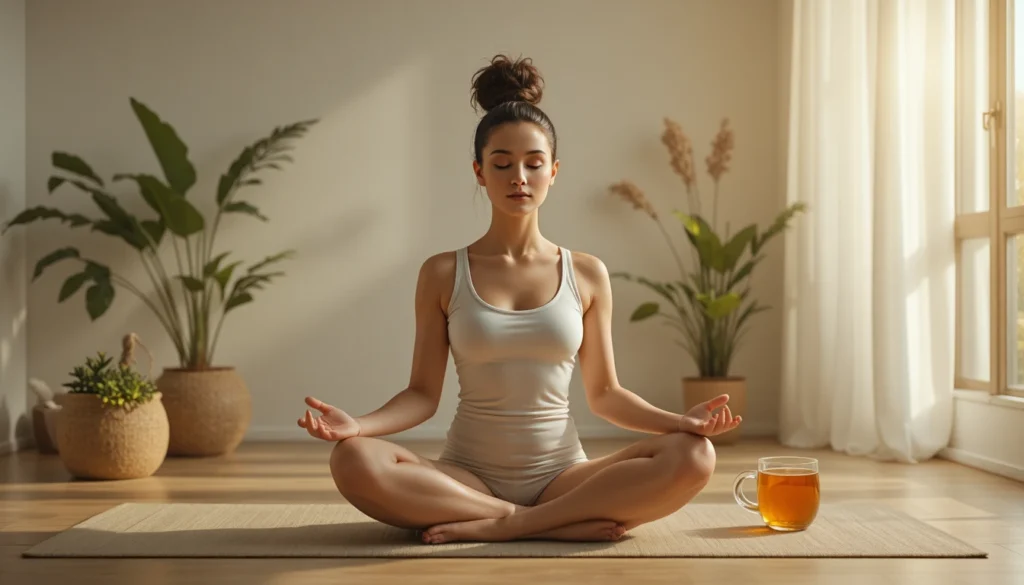
6. Mindfulness and Meditation
Mindfulness teaches you to stay in the present moment.
Simple Mindfulness Exercise
- Sit comfortably
- Close eyes
- Focus on your breath
- Notice thoughts without judgment
- Practice 5–10 min daily
Benefits
- Reduces anxiety
- Improves focus
- Calms the mind
- Improves emotional control
7. Journaling to Reduce Stress
Writing thoughts helps reduce mental clutter.
- Write feelings and worries
- Reflect on positive events
- Make gratitude lists
Benefits:
- Understand triggers
- Reduce anxiety
- Improve mood
- Track progress
8. Physical Relaxation Techniques
(a) Progressive Muscle Relaxation
- Tense muscles 5 sec, release slowly
- Start from toes → head
- Reduces body tension
(b) Stretching
- Neck, shoulders, back
- Eases muscle stiffness
- Improves blood circulation
(c) Warm Bath or Shower
- Relaxes muscles
- Improves mood
9. Connect with Friends and Family
Social support is essential for mental health.
- Talk about feelings
- Share problems or achievements
- Spend time with loved ones
- Avoid isolation
Positive relationships reduce stress hormones and improve happiness.
10. Limit Negative Inputs
- Avoid negative news constantly
- Reduce toxic conversations
- Avoid comparing yourself on social media
- Focus on solutions, not problems
11. Time Management to Reduce Stress
- Plan your day
- Break tasks into small steps
- Avoid multitasking
- Take short breaks
- Reward yourself after completing tasks
Good time management prevents feeling overwhelmed.
12. Hobbies and Creative Activities
Engaging in hobbies improves mental health:
- Drawing, painting
- Gardening
- Cooking
- Reading
- Music, dancing
Hobbies divert mind from worries and boost joy.
13. Practice Gratitude Daily
- Write 3 things you are thankful for
- Focus on positives
- Reduces negative thoughts
- Improves sleep and mood
14. Cognitive Techniques to Manage Anxiety
- Challenge negative thoughts
- Reframe situations positively
- Avoid “catastrophizing”
- Practice problem-solving instead of worrying
15. Nature and Outdoor Activities
- Walk in park or garden
- Sunlight improves vitamin D → mood enhancer
- Fresh air and greenery reduce stress
- Outdoor exercise improves energy
16. Breathing Exercises for Anxiety
(a) Box Breathing
- Inhale 4 sec → Hold 4 sec → Exhale 4 sec → Hold 4 sec
- Repeat 5–10 min
(b) 4-7-8 Breathing
- Inhale 4 sec → Hold 7 sec → Exhale 8 sec
- Reduces heart rate and anxiety
17. Digital Detox
- Limit phone use 1–2 hours/day
- Avoid late-night social media
- Use time for hobbies, sleep, or family
- Reduces stress and improves focus
18. Professional Help
- If anxiety or stress is severe → consult therapist or counselor
- Cognitive Behavioral Therapy (CBT) is effective
- Support groups can help
- Medication if prescribed
Professional help ensures long-term improvement.
19. Positive Affirmations
- Repeat daily:
- “I am calm and in control.”
- “I am strong and capable.”
- “I release what I cannot control.”
Positive thinking reduces negative mind patterns.
20. Avoid Substance Abuse
- Alcohol, drugs, or smoking increase stress and anxiety
- Healthy alternatives: tea, water, herbal drinks
- Exercise and hobbies replace harmful coping
21. Quick Stress-Relief Techniques
- Deep breathing
- Listen to calming music
- Short walk
- Stretching
- Aromatherapy (lavender, peppermint)
Even 5 minutes can reduce tension quickly.
22. Develop a Healthy Daily Routine
- Morning: light exercise, water, positive thoughts
- Day: balanced meals, work breaks
- Evening: hobby, family time, light walk
- Night: relaxation, sleep at same time
Routine provides stability and reduces anxiety.
23. Mind-Body Connection
- Yoga, Tai Chi, Pilates
- Combines movement + mindfulness
- Reduces cortisol (stress hormone)
- Improves balance and focus
24. Tracking Progress and Reflecting
- Keep a mental health journal
- Track triggers, improvements, exercises
- Celebrate small wins
- Learn what reduces your stress
25. Stress-Reducing Foods and Drinks
- Green tea
- Dark chocolate (moderate)
- Berries, citrus fruits
- Nuts and seeds
- Leafy green vegetables
Nutrition supports mental clarity and emotional balance.
26. Avoid Multitasking
- Focus on one task at a time
- Reduces errors and frustration
- Lowers mental overload
- Improves efficiency
27. Laughter and Fun
- Watch comedy or funny videos
- Spend time with playful friends or pets
- Laughter releases endorphins → natural stress relief
28. Self-Care is Essential
- Take care of hygiene, appearance, and comfort
- Pamper yourself occasionally
- Prioritize your needs
- Reduces burnout and stress
29. Learn to Say No
- Avoid overcommitting
- Set boundaries
- Protect your time and energy
- Reduces stress from obligations
30. Conclusion
Reducing stress and anxiety is possible with simple, daily, and consistent habits. Focus on:
- Deep breathing and meditation
- Balanced diet and hydration
- Exercise and outdoor activity
- Sleep and routine
- Positive thinking and hobbies
- Limiting negative inputs and multitasking
Mental health is a lifelong practice, not a one-time solution. Gradual changes lead to a calmer mind, stronger resilience, and happier life.
Remember: Small daily steps can create big improvements in mental health.